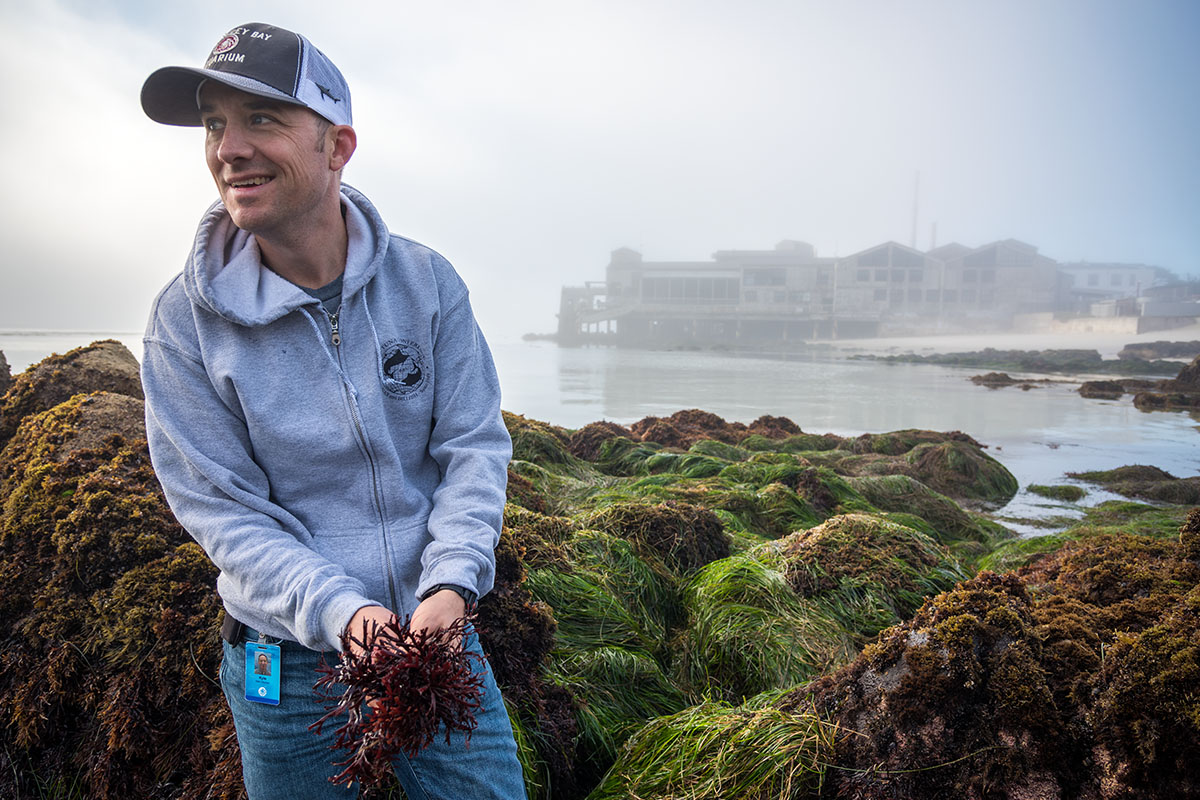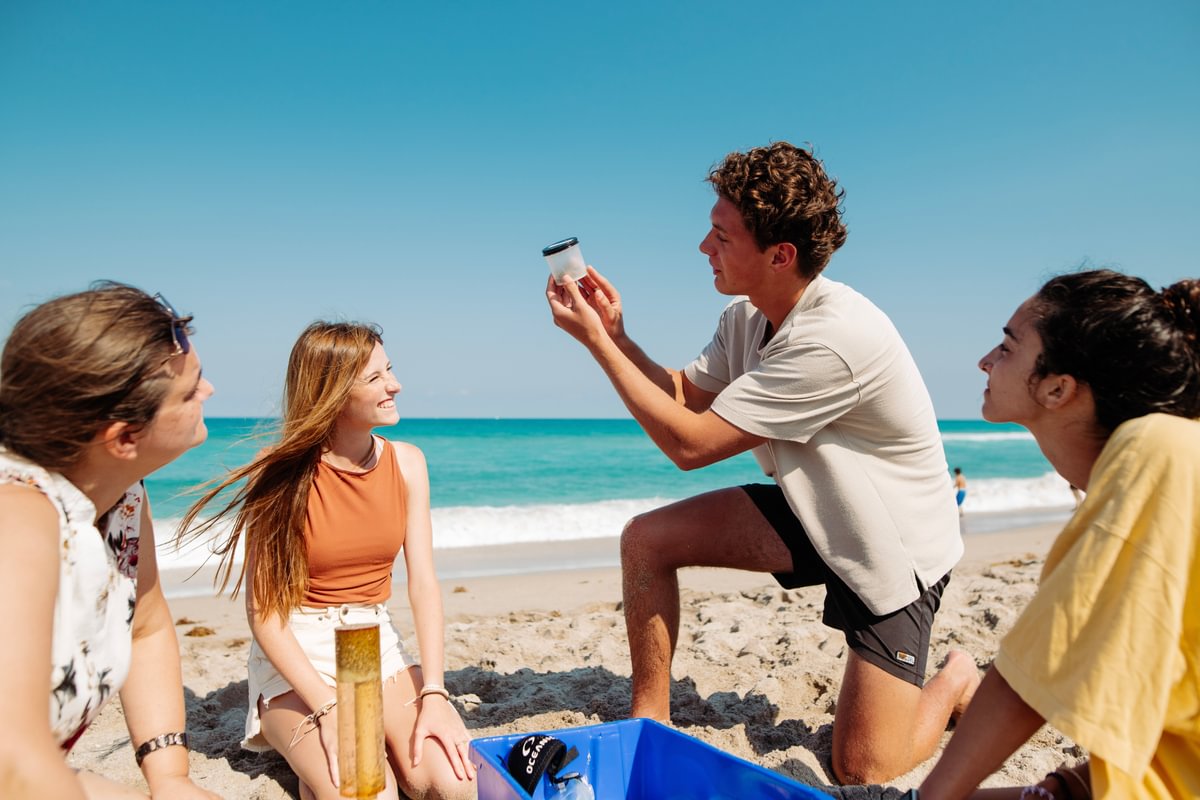
Many people dream of becoming an oceanographer or marine biologist at a young age. At Palm Beach Atlantic University (PBA), turning this dream into a reality isn’t just possible, it’s an unmatched opportunity. PBA’s coastal location and emphasis on experiential learning enables students to study South Florida ecosystems up close.
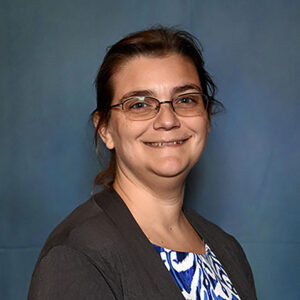
“Marine science is great for looking at everything more holistically,” says Dr. Linda Sedlacek, associate professor of earth science and oceanography and marine science program lead. “It’s for students who want to really understand how everything fits together.”
This career pathway plays a critical role in understanding and protecting the planet, which affects even those who live in landlocked communities. After all, 71% of Earth’s surface is covered with water, and over three billion people around the world rely on seafood as a significant source of protein, according to the World Wildlife Fund.
A Comprehensive View
While PBA’s marine biology concentration is ideal for those wanting to focus on a particular organism or pursue veterinary technology, the marine science program and oceanography minor cover a variety of topics, including species’ life cycles and behaviors, tides and waves, pH levels, bathymetry (underwater terrain), sediments, and more. Marine science students can concentrate in biology, chemistry, or physics.
Students also benefit from state-of-the-art labs and fieldwork opportunities. This research work is a rarity for bachelor’s-level students, according to Dr. Sedlacek.
“One of my favorite things about PBA is that we are right on the coast,” says Dr. Sedlacek, whose expertise focuses on the behavior, toxicology, and classification of small crustaceans. “I went to [a state school] and had very few classes with labs. PBA is very different in that aspect. Our students are out in the field. A lab to me is more than just a credit—it’s for students to actually see how everything works together.”
Research, Relationships, and Real-World Impact
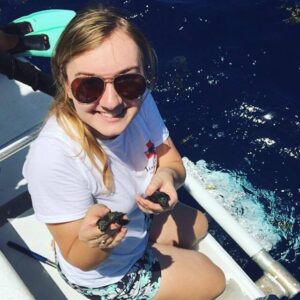
Partnerships with organizations like Palm Beach County Environmental Resource Management and the Coral Reef Institute, plus study abroad opportunities like the Galapagos Islands, also allow students to apply their knowledge to real-world settings, preparing them for careers in conservation efforts, research, marine engineering, coastal management, and more.
Alumna Hannah Deadman-Arnst, for example, earned a degree in journalism and an oceanography minor in 2015. During her senior year, she interned at Loggerhead Marinelife Center and later worked in their communications department, writing stories and photographing the center’s rehabilitation, research, and conservation work.
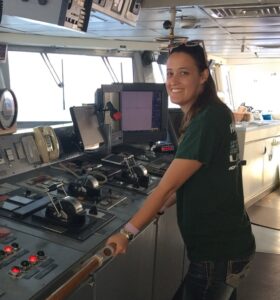
For 2014 alumna Lisa Brooks, Ph.D., who studied mathematics and earned an oceanography minor, PBA opened her eyes to new career possibilities. Following graduation, her doctoral studies at the University of Miami Rosenstiel School of Marine, Atmospheric, and Earth Science centered on using marine radars for ocean current measurements and internal waves. After working at Florida Atlantic University Harbor Branch Oceanographic Institute using holography to identify plankton, she transitioned into teaching STEM at a Catholic school in Indiantown.
“I took a leap of faith, but after my first year I loved it—it’s so wonderful seeing the [kids’] eyes light up,” she says. “PBA exposed me to how God and my career can be intertwined, and working in this school feels like God called me here.”
Marine science faculty also encourage students to partner in original research and projects. Dr. Sedlacek, Dr. Tom Chesnes, professor of biology and associate dean of sciences, and Dr. Rachel Harris, assistant professor of biology, are working with students to restore mangroves through a partnership with MANG Apparel, founded by PBA alumnus Keith Rossin. Other collaborations include a multi-year oyster project at John D. MacArthur Beach State Park and seagrass restoration.
Currently, Dr. Sedlacek and Associate Professor of Biology Dr. Suzanne Cardona are researching how live pathogens colonize marine debris, particularly medical waste. These infectious microbes not only pose a public health risk; they’re also developing greater resistance to antibiotics.
By understanding this phenomenon—and how to prevent it—researchers, policymakers, and other stakeholders can better protect waterways, marine life, food chains, and entire communities.
Why Faithful Stewardship Matters
For Dr. Sedlacek, this work is a higher calling to steward this side of heaven well, not just on World Oceans Day, but every day. It’s important work; no matter how Christians view environmental stewardship, there is a call to care for Creation, and each choice impacts society, from the health of global fisheries to local rainfall.
“We’ve started realizing that a huge number of those particles are microbes—they could be microplastics, ash, or even pollen,” says Dr. Sedlacek, who worked in water quality for the Gulf of Mexico Alliance before coming to PBA. “It rains down and gets into the groundwater, which you eventually end up drinking. What we do to the oceans intimately binds with what we do to ourselves.”
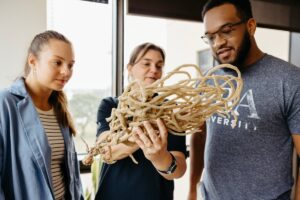
At PBA, students see these implications firsthand. Some of Dr. Sedlacek’s students even attend local beach cleanups and document the types of debris collected for extra credit. Still, she says everyone has a role in caring for Creation, from better securing trash to pushing for stronger legislation that protects wetlands—key players in flood mitigation, clean water, and biodiversity.
“That stuff can blow into the rivers or the canals and break down, and then eventually end up in the ocean,” says Dr. Sedlacek. “It’s not a big change that has to take place, it’s a mindset.”
Learn more about the marine science program at PBA here.