Overview
|
|
Why Study Marine Science at PBA?
In PBA’s Bachelor of Science in Marine Science program, students develop essential skills in collecting, organizing, and analyzing marine science data while exploring the relationships between marine organisms and their environments. Through research, fieldwork, and laboratory experiences, students gain the knowledge needed to pursue careers in marine conservation, environmental science, and scientific research.
- Hands-On Learning: Study marine ecosystems through fieldwork, laboratory experiences, internships, and research projects.
- Research Opportunities: Conduct interdisciplinary research that combines marine science with biology, chemistry, or physics.
- Prime Coastal Location: Take advantage of South Florida’s unique marine environments, including the Atlantic Ocean, Lake Worth Lagoon, and the Everglades.
- Christ-Centered Perspective: Explore the natural world through scientific inquiry grounded in faith and stewardship of God’s creation.

What You'll Learn
Marine Science students develop the ability to:
- Organize and analyze marine science data
- Evaluate scientific evidence and research findings
- Conduct interdisciplinary scientific investigations
- Understand marine ecosystems and environmental processes
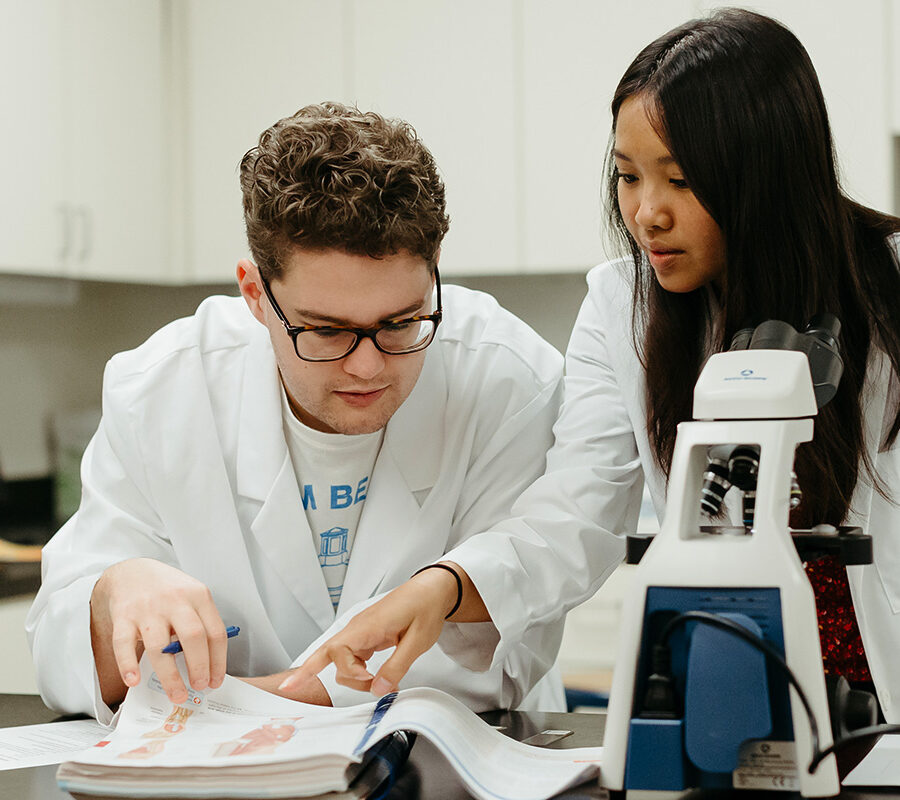
- Apply laboratory and field research techniques
Program Details
The Marine Science program combines classroom instruction, laboratory work, field experiences, and independent research. Students choose a concentration in Biology, Chemistry, or Physics while exploring how marine organisms and environments interact within complex ecosystems.
Marine Biology
Study marine organisms, ecosystems, and biodiversity while examining how marine life adapts to changing environmental conditions.
Physical Oceanography
Explore ocean currents, waves, tides, and other physical processes that shape marine environments and influence life in the world’s oceans.
Chemical Oceanography
Investigate the chemical properties of seawater and how biological, geological, and environmental processes influence marine ecosystems.
Biology Concentration
Study how marine organisms interact with their environments while conducting research focused on biological processes in marine ecosystems.
Learn More
Chemistry Concentration
Examine how chemical processes influence marine environments and how marine systems affect ocean chemistry.
Learn More
Physics Concentration
Investigate the physical properties of marine environments and the forces that shape oceans, coastlines, and marine ecosystems.
Learn More
Students benefit from access to laboratory facilities, research equipment, and field sites throughout South Florida. The university’s location near the Atlantic Ocean, Lake Worth Lagoon, and the Everglades provides exceptional opportunities for marine science education and research.

Learn from dedicated faculty members who bring a combination of academic expertise, professional experience, and a commitment to student success. Through mentorship, hands-on learning opportunities, and personalized guidance, PBA professors help students develop the knowledge, skills, and confidence needed to achieve their academic and career goals.
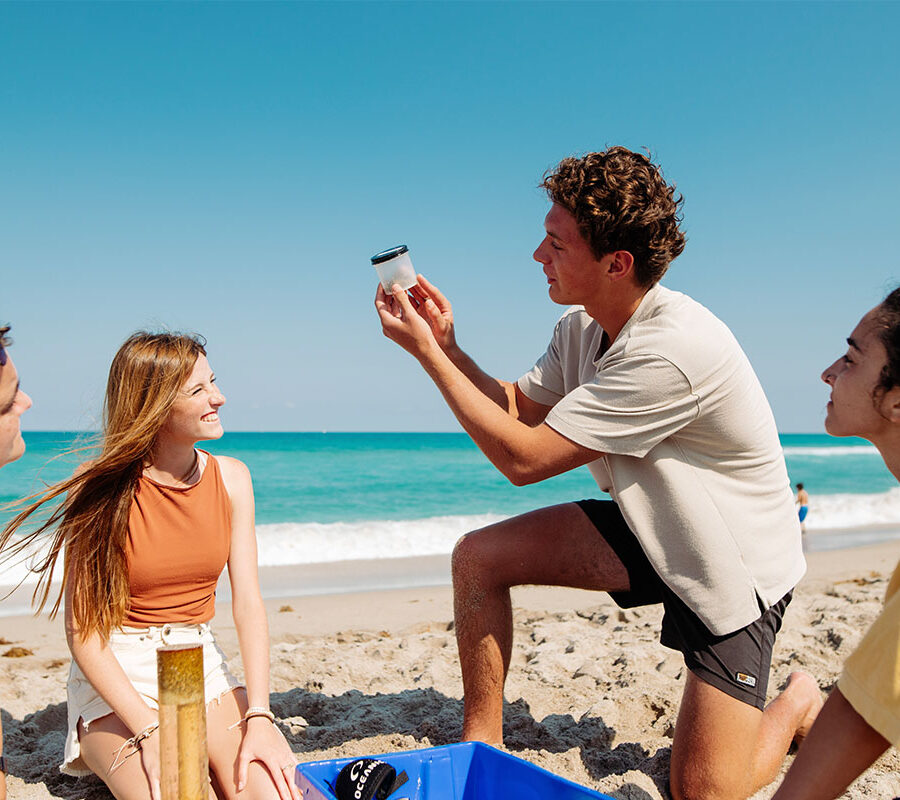
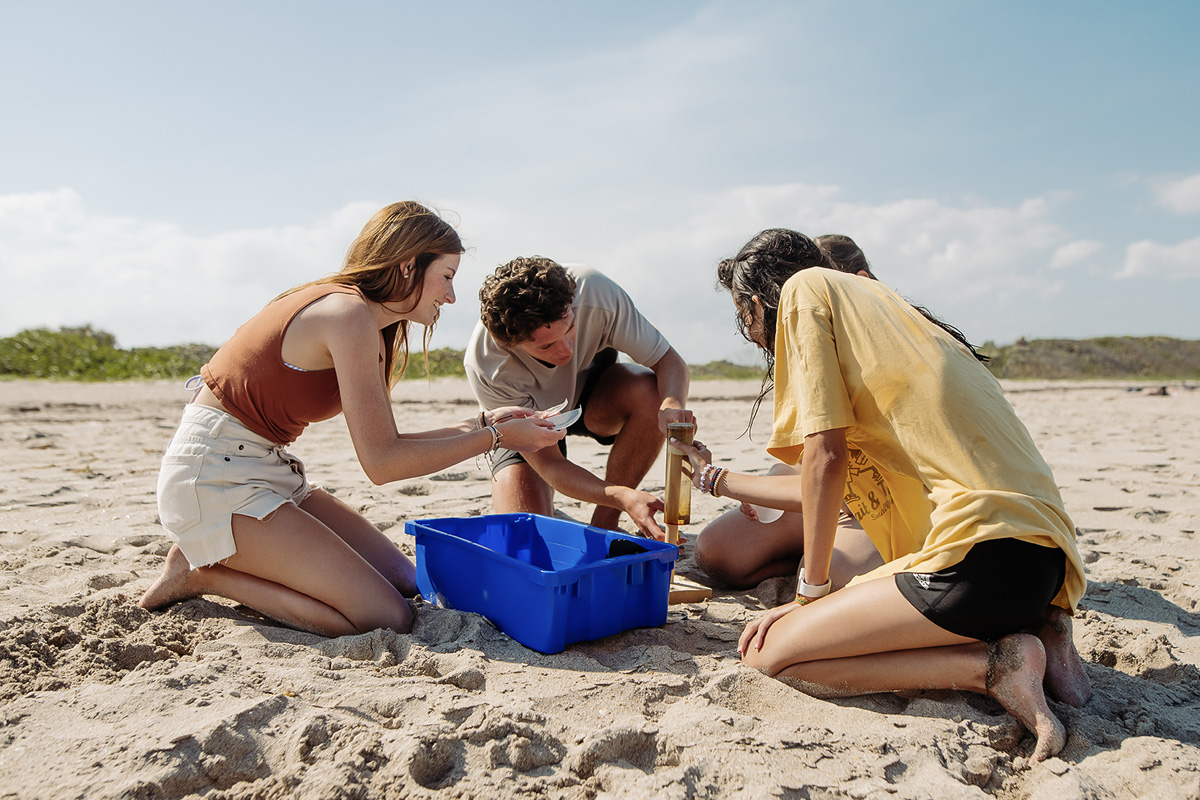
Marine Science students gain extensive hands-on experience through laboratory research, field studies, internships, and study abroad opportunities.
Students have completed internships and research experiences with organizations such as:
- Scripps Research Institute
- Max Planck Institute
- Loggerhead Marinelife Center
- Mote Marine Laboratory
- MacArthur Beach State Park
- Palm Beach County Department of Environmental Resources Management
- South Florida Water Management District
Students may also participate in educational experiences and field studies in locations such as the Everglades, Costa Rica, and the Galapagos Islands.
Entry Requirements
- Completed application
- Official high school transcripts
- Additional admissions materials as required
Visit the Office of Admissions website for current application, scholarship, and financial aid deadlines.
Career Outcomes
Marine Science graduates develop a strong foundation in scientific research, environmental analysis, and marine ecosystems. Graduates are prepared for careers in conservation, environmental consulting, research, and advanced scientific study.
Potential career paths include:
- Marine Ecologist
- Marine Biotechnologist
- Environmental Health Specialist
- Environmental Consultant
- Aquarium Manager
- Dolphin Trainer
- Research Scientist
- Marine Conservation Specialist
Graduates also pursue advanced study and careers with organizations such as:
- Florida Fish and Wildlife Conservation Commission
- Loggerhead Marinelife Center
- Shedd Aquarium
- Florida State Park System
- Palm Beach County Environmental Resources Management
Related Articles
How to Become a Marine Biologist
Student Stories
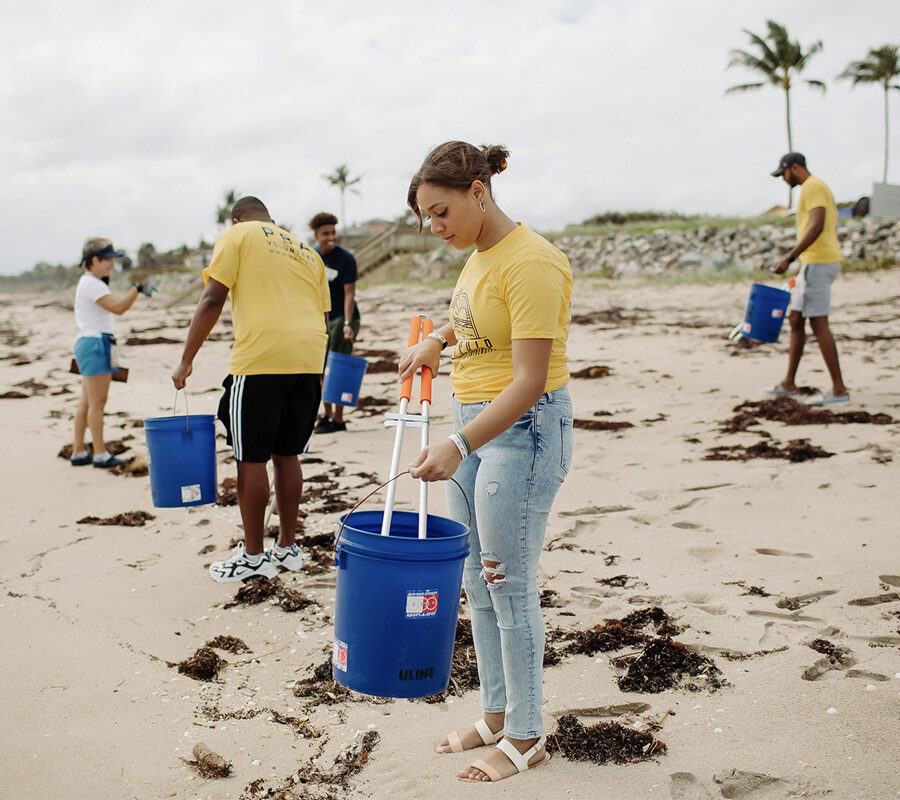
Marine Science students gain valuable experience through field research, internships, conservation projects, and study abroad opportunities. Through these experiences, students develop scientific knowledge, environmental awareness, and the practical skills needed to understand and protect marine ecosystems.
PBA’s Marine Science Program Gives Students a Firsthand Look at Ocean Health
PBA Marine Science students recently participated in hands-on field research focused on ocean health and environmental conservation. Through real-world scientific investigations, students gained valuable experience collecting and analyzing data while exploring critical issues affecting marine ecosystems.
Peter Ruhl: Science, Service, and Stewardship
Watch Peter Ruhl’s story below. While Peter studies Biochemistry with a Pre-Med focus, his experiences reflect many of the same values that draw students to Marine Science, including exploration, scientific curiosity, service, and a commitment to caring for God’s creation. Through mission work along the Amazon River, Peter discovered how faith, science, and compassion can work together to make a meaningful impact.
Financial Aid
PBA’s robust scholarship program awards over $3 million every year. Invest in your learning with major-specific scholarships and other financial aid opportunities, which are awarded to 97% of our undergraduate students. Explore the resources below to learn more about tuition, financial aid, and scholarship opportunities.