John 20:1–18
I have a small confession. I don’t like looking for things that aren’t where I think they should be. Not long ago, my daughter and I wanted some Ritz crackers. I checked the pantry, didn’t see them, and settled for inferior chips instead. Later, when my wife came home, I told her we were out. She walked into the pantry and immediately found two full “industrial” Costco-sized boxes—just a couple of feet from where I had looked. No, they did not magically appear. They were right there behind me.
Why did I miss them and settle for something inferior? Because I was looking in the wrong place and wasn’t willing to turn around.
That simple moment says something about life. All of us are searching for something—peace, healing, purpose, forgiveness, hope. Often those searches grow out of our hurts, habits, and hangups. But if we look in the wrong place, we will never find what we need, and we end up settling for something inferior.
The resurrection story in John 20 begins with someone searching. Mary Magdalene arrives at the tomb early in the morning, while it is still dark. She is grieving, confused, and certain of one thing: Jesus is dead. When she sees the stone rolled away, she assumes someone has taken the body. Even when she speaks with angels, she is still searching for a corpse.
Then something remarkable happens. John tells us that she turned around and saw Jesus standing there, though she did not recognize Him at first. Finally, Jesus says one word: “Mary.”
Everything changes in that moment.
Mary recognizes the voice of the One who had set her free. Scripture tells us that Jesus had once cast seven demons out of her life. She had known darkness, and she had known deliverance. Now the risen Christ calls her by name, and her grief turns to joy.
This scene reminds us of three essential truths about the Christian faith.
First, the Christian faith is historical. Mary looked into an empty tomb. The resurrection is not merely an inspiring metaphor; it is the central event of the gospel. The earliest disciples proclaimed that Jesus truly died, was buried, and rose again. Their message spread across the Roman world because they were convinced the tomb was empty and the Savior was alive.
That is why New Testament scholar N. T. Wright can say, “The resurrection of Jesus is the foundation of Christian hope and the decisive event demonstrating that Jesus truly is the Lord.” This is why we pay careful attention to God’s Word and especially the resurrection accounts. “Scripture is termed infallible and inerrant… because it is the utterance of God who cannot lie” (J. I. Packer).
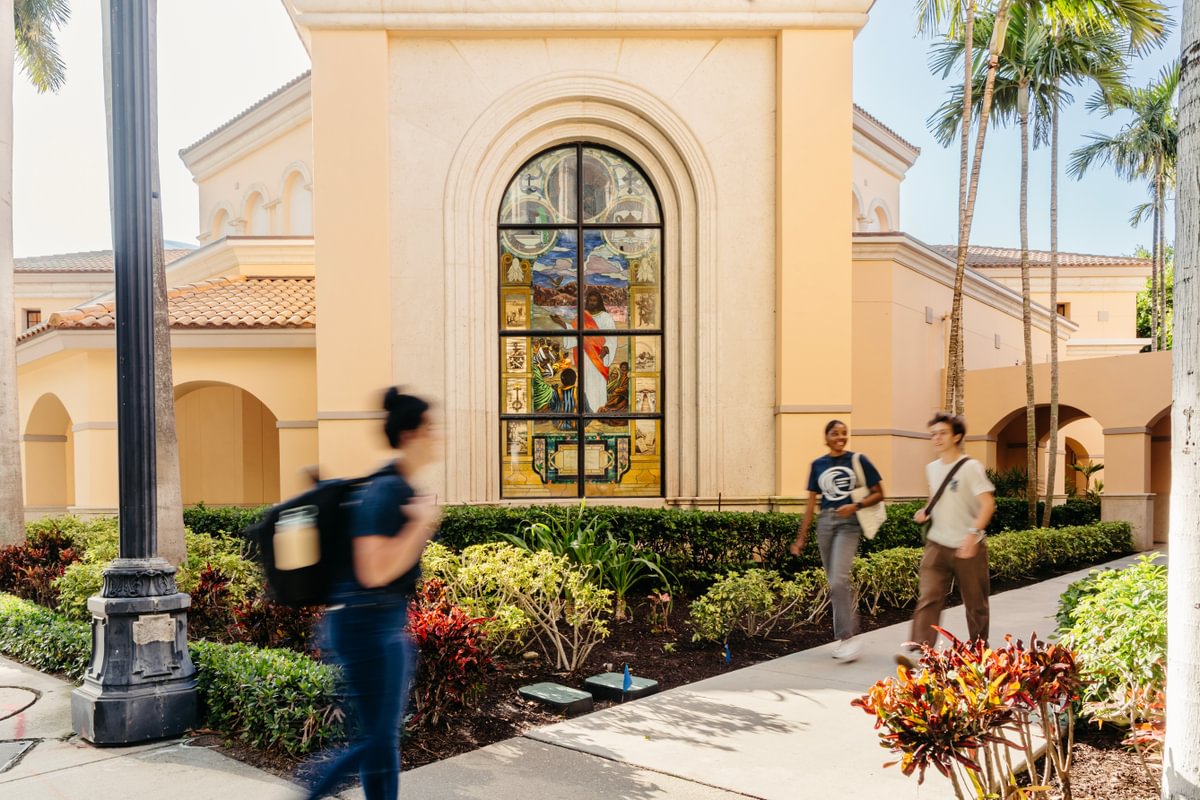
Second, the Christian faith is personal. Jesus did not simply reveal Himself as a distant figure. He called Mary by name. The risen Christ still meets people personally today. Christianity is not just about ideas or traditions; it is about a living relationship with Jesus. Just this semester, on our beautiful campus, many have met him for the first time. He’s called their name.
Third, the resurrection creates a new relationship with God. Jesus told Mary to announce that He was ascending to “my Father and your Father, to my God and your God.” Because of the cross and the empty tomb, those who trust in Christ are brought into the family of God. The resurrection opens the door to belonging, forgiveness, and a new identity. “Christianity is not a religion of good advice but of good news: Christ died for our sins and rose again” (John Stott).
Mary Magdalene came to the tomb searching for a dead teacher, but she encountered the living Savior who called her by name. That moment changed everything. The resurrection is not only the foundation of Christian faith but also the heartbeat of every truly Christian institution. As historian Jaroslav Pelikan once wrote, “If Christ is risen—nothing else matters. And if Christ is not risen—nothing else matters.” A Christian university must never lose sight of this truth. Institutions change over time, cultures shift, and academic priorities evolve. When the death, burial, and resurrection of Jesus remain at the center, students are invited not only to pursue knowledge but to encounter the risen Christ who still transforms lives today. That is why we love PBA!
Many people today are searching just as she was—looking for meaning, identity, or hope. The invitation of the resurrection is simple: turn around. The One you are searching for may be closer than you think. When the risen Christ calls your name, everything can change.
Learn more about PBA’s School of Ministry at https://www.pba.edu/academics/schools/ministry/.
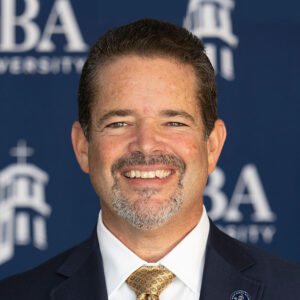
Pastor Bernie Cueto serves as Palm Beach Atlantic University’s (PBA) campus pastor and is a professor of biblical and theological studies. He is actively involved in leading and developing the spiritual culture of the PBA campus, including leading weekday campus chapel services and being available for pastoral support and prayer. He received a bachelor’s in English literature at Florida International University and a graduate degree in biblical exposition and pastoral leadership at Dallas Theological Seminary, where he completed his doctorate in New Testament Studies.