Palm Beach Atlantic University (PBA), through the work of Assistant Professors of Biology Dr. Rachel Harris and Dr. Maddison Melchionna, has partnered with Friends of Manatee Lagoon in a research project aiming to support seagrass restoration efforts. This project allows students the opportunity to participate in research alongside their professors. With funding provided by the nonprofit Friends of Manatee Lagoon, all costs ranging from student interns’ hourly wages to associated lab costs are covered, allowing the PBA team to focus on what it does best, teaching and conducting critical research that may help with future seagrass transplantation into local waterways.
The Project
Over the past few decades’ seagrass has declined globally. Fortunately, data collected from regional seagrass monitoring programs may indicate a subtle rebound of seagrass in some areas of Palm Beach County. Currently, they are working on identifying potential drivers of seagrass resiliency at the microbial level.
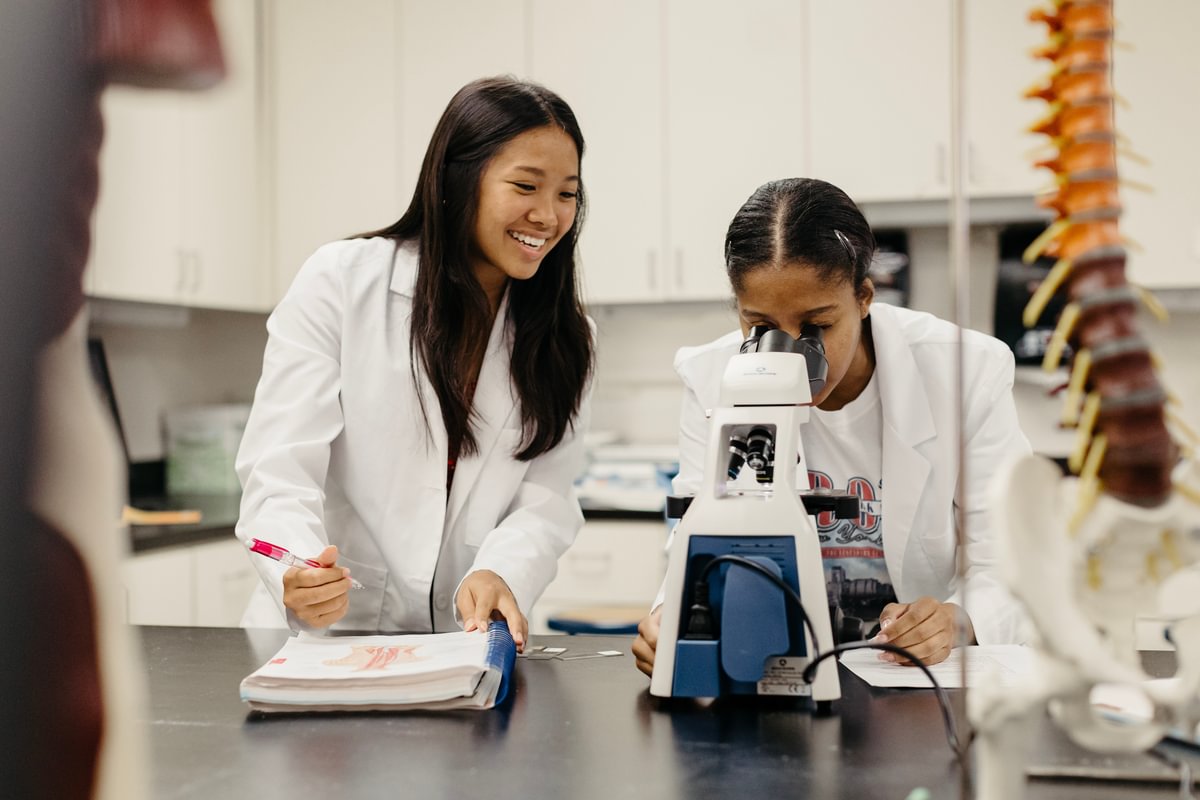
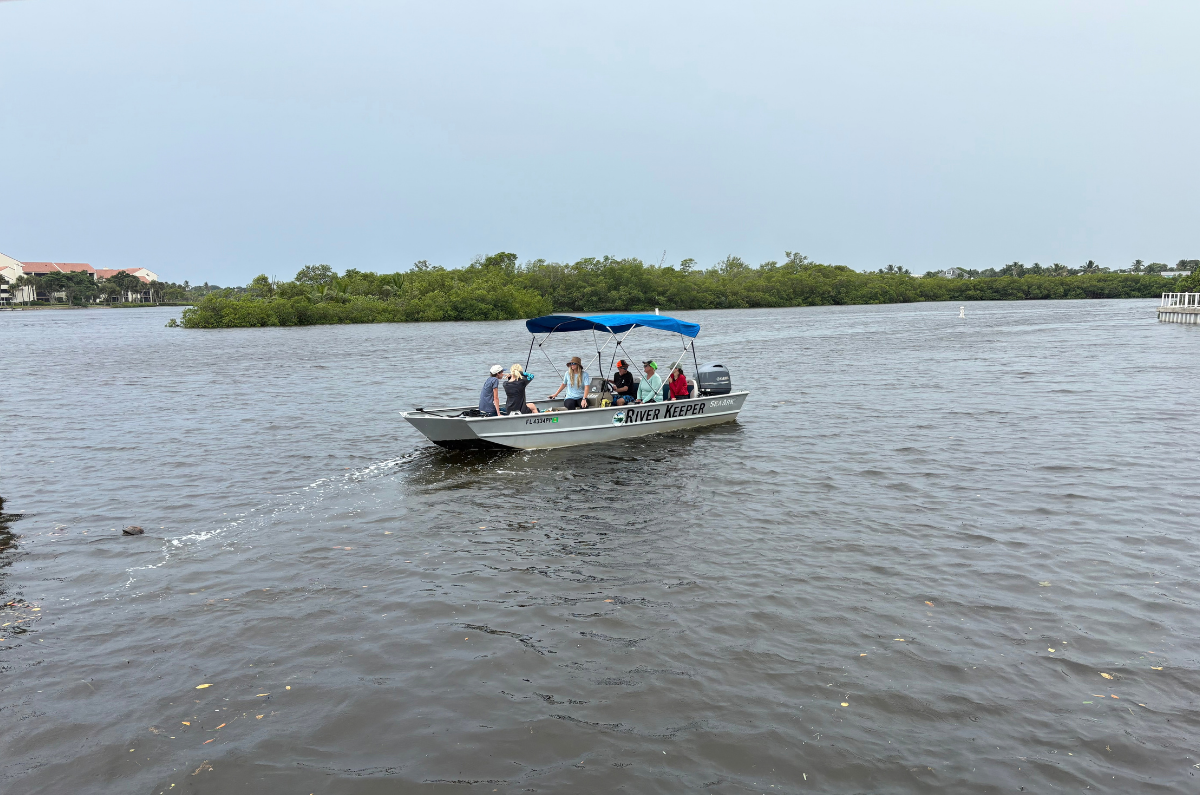
The project is multifaceted. It requires the upkeep of the seagrass rehabilitation tanks at Manatee Lagoon while also conducting DNA extractions of the seagrass in the laboratory, both of which PBA professors and students are helping with. The project has collaborated with local organizations such as Palm Beach County Environmental Resource Management, and Loxahatchee River District, which has allowed them to observe healthy and stressed seagrass in the area and collect floating seagrass fragments.
When one of the organizations finds floating fragments, they alert the team; so that a member can collect the seagrass. The team then takes the fragments back to Manatee Lagoon, where they plant it in the seagrass nursery tanks, and take a sub-sample for DNA extraction. The extractions allow them to see where the seagrass is coming from and look for variation across the population. This helps to pinpoint which microbes are present and leads to further understanding of what role the microbes play in healthy or stressed seagrass beds.
The Greater Impact
Seagrass provides a food source and habitat for numerous aquatic species. Not only do manatees and sea turtles feed on seagrass, but many commercial fish species that businesses and locals rely on reside in the seagrass beds. Also, seagrass is incredibly efficient at storing carbon, removing it from the active cycle.
“Stewardship, I mean, that is a huge part of who we are and what we do,” explained Dr. Harris. “Being a part of the community, being a member of the community, helping our community, all of these things are a part of what we stand for, and this project embodies that.”
Student Impact
Not only is this project a great way for PBA to share collaborative efforts for restorative environmental care in the community, but it is also a great experience for students. Even if the student is not planning on pursuing a career in this very field of science, the skills they gain are undoubtedly applicable. In this project specifically, they are not only going into the field but also participating in deep critical analysis to help understand how to solve a complex problem.
“I think it is important to train future scientists how to think,” said Dr. Melchionna. “I’m not an expert in seagrass, but I can teach lab students how to be critical of their results and apply what their findings might mean in the broader picture.”
Looking Ahead
As the project continues, the hope is that they will eventually synthesize their results into a work that they will submit for publishing or to a conference. They hope that students will continue to remain involved even to the point of presenting, giving them more helpful experience in sharing their work with the world. The project will ideally become a longstanding effort, emphasizing the need to support manatees, sea turtles, and various ecosystems by supporting the less noticed things like seagrass beds.
Click here for information on PBA’s Biology department.