September is Suicide Prevention Awareness Month, a time to shed light on a major global health issue. Every year, nearly 700,000 people die by suicide, which means that one in every 40 individuals may take their own life. That means one person dies by suicide every 40 seconds. Even more concerning, one in four students will experience suicidal thoughts.
Suicide is the fourth leading cause of death among individuals aged 15–29, and impacts individuals across all ages, backgrounds, and communities. These deaths are not just statistics; they are sons, daughters, friends, classmates, and loved ones whose lives ended far too soon.
The reasons behind suicide are complex and multifaceted. Individuals who consider or attempt suicide often do so because they feel overwhelmed by emotional pain, hopelessness, or isolation. Common contributing factors include mental health disorders such as depression or anxiety, trauma, substance abuse, bullying, academic or financial pressure, and relationship issues. In college settings, the transition to adulthood, separation from family, and the stress of academic demands can increase vulnerability.
Connection is key
It is important to understand that suicidal thoughts are a symptom, not a choice. Just like any physical illness, mental health struggles require compassion, attention, and proper treatment. The good news is that suicide is preventable. By raising awareness, promoting open conversations, and increasing access to mental health resources, we can help save lives.
Prevention begins with connection. One of the most powerful protective factors is a sense of belonging. When individuals feel seen, heard, and supported, it can reduce feelings of despair. That is why communities, schools, and universities must foster environments where students and individuals feel safe discussing their struggles without fear of judgment or stigma.
How to find help
Warning signs of suicidal thoughts can include withdrawal from friends or activities, drastic mood changes, talking about feeling hopeless or wanting to die, giving away possessions, or increased use of drugs or alcohol. If you or someone you know are exhibiting these signs, it is essential to take them seriously and seek help. Yaghubi et al. (2024) emphasize the increasing mental health challenges students face when adjusting to university life. Even during the upcoming holiday season, a time of joy for many, some students may feel intense loneliness, sadness, or despair. In those moments, suicidal thoughts may seem like the only way out.
Hope and healing
At Palm Beach Atlantic University, we support students not only academically but emotionally and spiritually. The University encourages students to reach out, seek help, and support one another. Through the lens of faith, we are reminded of Jesus, our Wonderful Counselor, and the hope and healing found in His presence.Resources like the 988 Suicide & Crisis Lifeline provide 24/7 free and confidential support for anyone in emotional distress. Students can also use services such as TimelyCare, a virtual health and mental well-being platform, offering round-the-clock access to licensed counselors and self-care tools.
Suicide prevention is not just about responding in times of crisis—it is about building a culture of compassion, resilience, and hope. We all have a role to play in recognizing pain, offering support, and reminding others that their life matters. Choosing to speak up, to listen, and to care can truly make the difference between despair and hope.
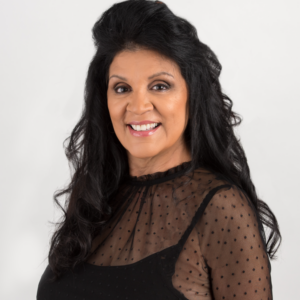
Dr. JoAnn Kutsukos holds a doctorate in counselor education supervision with research interests in addiction and trauma. She has been a subject matter expert on the topic since 2009 and maintains her certification as an addiction and trauma specialist, along with her certification in eye movement desensitization and reprocessing (EMDR). A licensed mental health professional, she has been instrumental in training and supervising counselors as they earn their licenses in the state of Florida. She presented internationally at the EMDR Association of Australia in 2021 and regularly speaks at state universities including Palm Beach Atlantic University, where she has taught as an assistant professor of counseling since 2022.